Good word search themes for the classroom follow what children are learning or what is coming up in the year: seasons, festivals, a science topic, the week’s spelling list. Below are 20 themes with ready word lists you can copy straight into a puzzle maker, plus tips on matching grid size and difficulty to age.
A themed word search makes a good morning task, an early-finisher activity or a quiet end to a busy lesson. It works best when the words matter: topic vocabulary children will meet again that week.
20 word search themes with word lists
Each list has 10 to 12 words. Use the first six to eight for younger children; use them all, or add your own, for older ones. Two-word answers are fine: spaces are left out of the grid but kept in the list.
Seasons and festivals
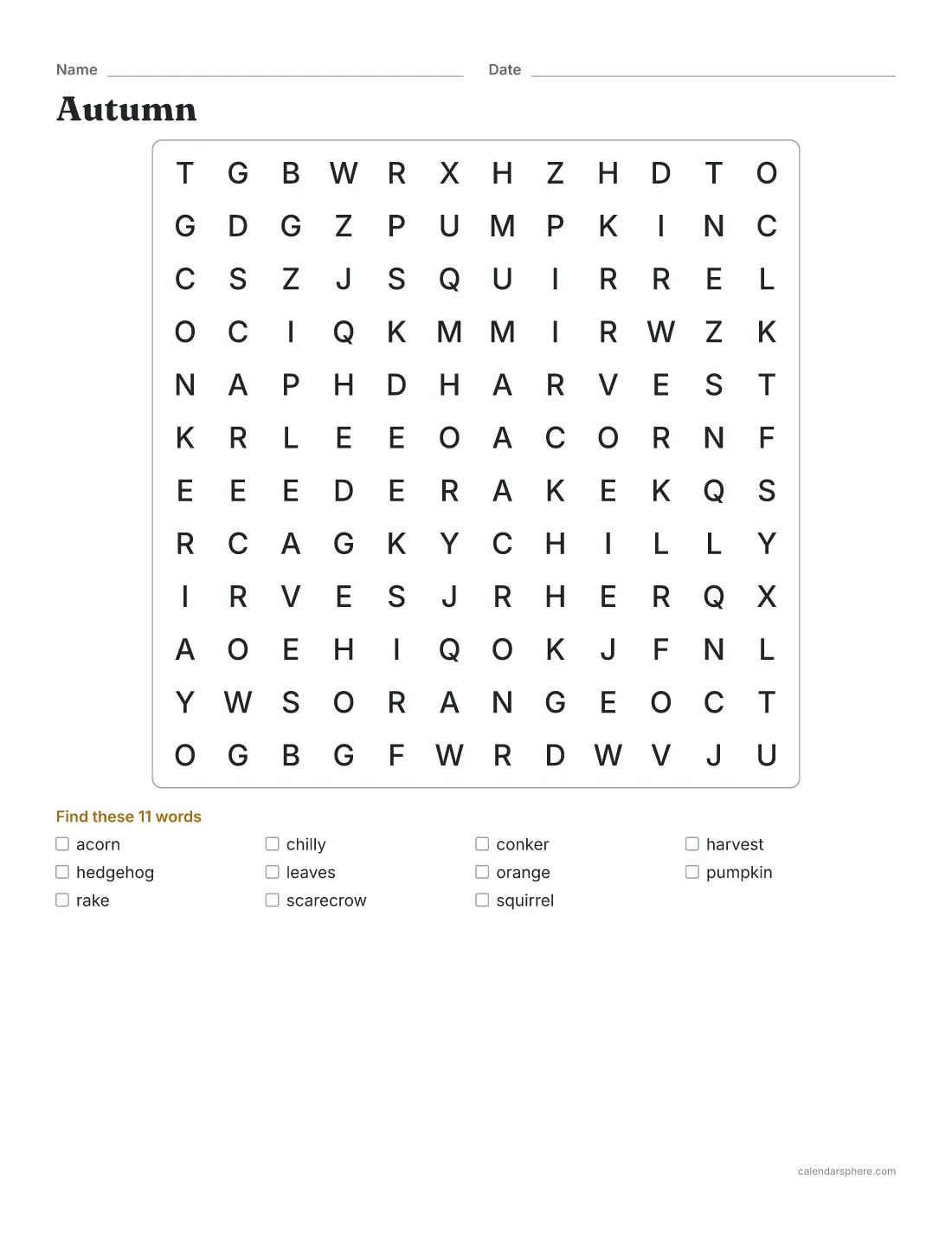
- Autumn: leaves, acorn, conker, harvest, pumpkin, scarecrow, squirrel, hedgehog, rake, chilly, orange
- Winter: snow, frost, icicle, mittens, scarf, sledge, snowman, blizzard, cocoa, freezing, penguin
- Spring: blossom, tulip, daffodil, lamb, nest, rainbow, puddle, seedling, chick, butterfly, umbrella
- Summer: beach, sandcastle, sunhat, picnic, ice cream, holiday, shell, wave, sunshine, paddle, camping
- Halloween: costume, pumpkin, ghost, witch, broomstick, cauldron, spider, bat, lantern, spooky, treat
- Winter holidays: present, candle, reindeer, sleigh, star, snowflake, wreath, stocking, carol, gingerbread
Science topics
- Space: planet, moon, orbit, rocket, comet, galaxy, astronaut, telescope, Jupiter, Saturn, solar system
- Weather: cloud, rain, thunder, lightning, fog, hail, breeze, forecast, temperature, rainbow, storm
- The human body: heart, lungs, brain, skeleton, muscle, skin, stomach, blood, bones, teeth, senses
- Plants: root, stem, leaf, petal, seed, flower, pollen, soil, water, sunlight, germinate
- Minibeasts: ant, beetle, spider, worm, ladybird, snail, woodlouse, caterpillar, bee, centipede
- Under the sea: whale, dolphin, octopus, shark, coral, jellyfish, seahorse, starfish, crab, turtle, seaweed
- Dinosaurs: fossil, Triceratops, Stegosaurus, raptor, herbivore, carnivore, extinct, claw, egg, volcano
Everyday topics
- Healthy eating: apple, carrot, broccoli, banana, bread, cheese, yoghurt, water, pasta, beans, fruit
- Transport: car, bus, train, bicycle, aeroplane, boat, tractor, scooter, helicopter, ferry, lorry
- Jobs people do: teacher, doctor, nurse, farmer, builder, chef, pilot, vet, police, firefighter, artist
- Feelings: happy, sad, angry, calm, excited, worried, proud, nervous, brave, kind, surprised
Maths and school
- Shapes: circle, square, triangle, rectangle, oval, pentagon, hexagon, cube, sphere, cylinder, pyramid
- Back to school: pencil, ruler, rubber, backpack, teacher, lunchbox, classroom, friend, book, playground
- End of year: summer, memories, friends, certificate, holiday, goodbye, celebrate, growing, proud, next year
Adjust words for your country: “eraser” for “rubber”, “airplane” for “aeroplane”, “truck” for “lorry”. A puzzle for younger children should only use words they can already read.
Choosing word search themes by age
| Age | Words | Grid | Level |
|---|---|---|---|
| 5 to 6 | 6 to 8 short words | 8 × 8 | Easy: across and down |
| 7 to 8 | 10 to 12 | 10 × 10 or 12 × 12 | Easy or medium |
| 9 to 10 | 15 to 20 | 12 × 12 or 15 × 15 | Medium: plus diagonals |
| 11 and up | 20 to 30 | 15 × 15 or 18 × 18 | Hard: plus backwards |
Long words need a big enough grid: a word can be no longer than the grid is wide, so “caterpillar” (11 letters) needs at least a 12 × 12 grid. If a word won’t fit, the maker tells you which one and you can choose a bigger grid or swap the word.
Ways to use a themed word search
- Topic launch. Hand out a puzzle with the new topic’s vocabulary before the first lesson; children meet the words before they need them.
- Spelling practice. Use this week’s spelling list. Children spot each spelling as a whole, then write the words they found.
- Phonics focus. For early readers, pick words with the same sound, such as “ai” words: rain, train, paint, snail, tail, wait. Which letters to teach first has more on the early sounds.
- Find and use. After the search, children choose three words and write a sentence with each.
- Early finishers. Keep a stack of puzzles on the current topic in a tray, so fast workers always have a task.
- Class party or last day. The end-of-year list above pairs well with a round of end-of-year awards.
Use the same list for bingo
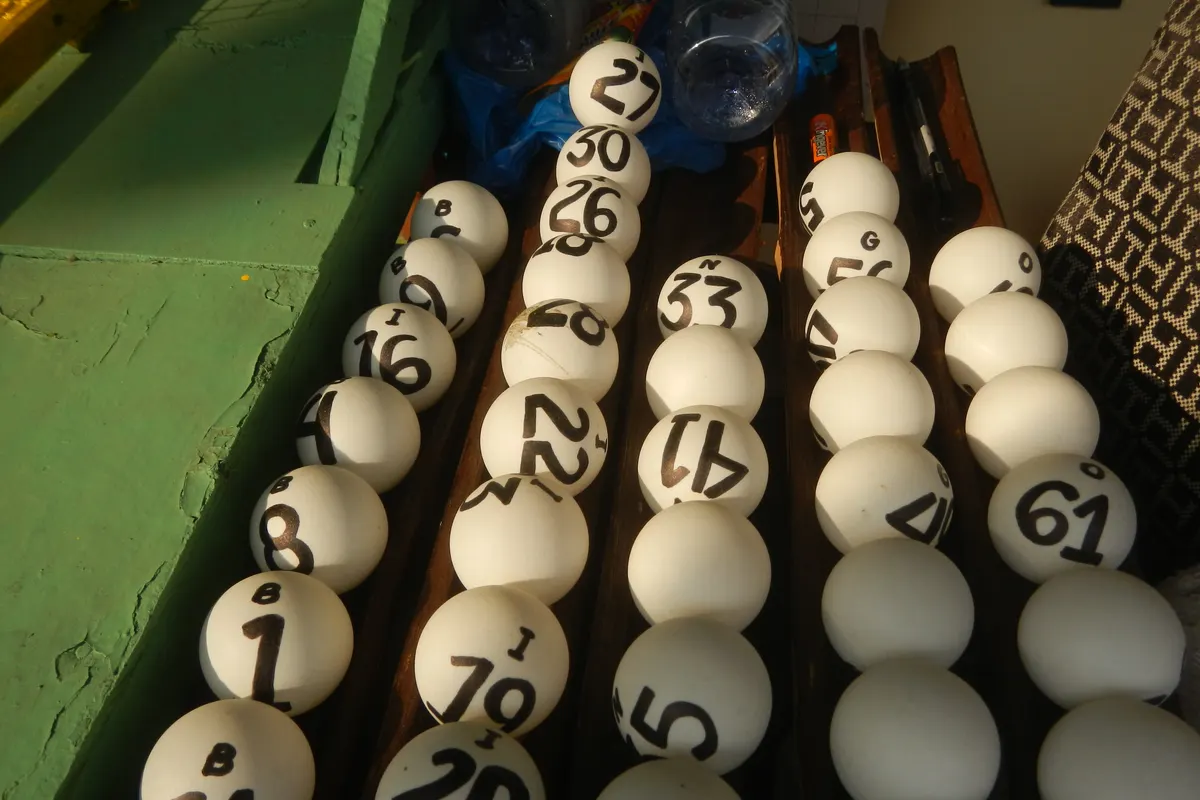
A themed word list works twice. Paste the same words into the bingo card generator and you have a game for the end of the lesson: call each word, or read out a clue (“it goes round the Earth”), and players cover the answer. A 3 × 3 card with a free space needs only 8 words, so even the short lists above are enough, and the bingo maker also accepts words separated by commas. Classroom bingo ideas has a dozen more ways to play.
Make a themed word search
Pick a theme, copy its list, and paste it into the word search maker: one word per line, or the list as it is, with commas between. It takes up to 30 words, grids from 8 × 8 to 18 × 18 and three levels, and prints the puzzle with the word list and a separate answer key. Press “New puzzle” to print a different layout for each table or group.
Frequently asked questions
How many words should a word search have?
About 6 to 10 for children aged 5 to 7, 12 to 15 for ages 7 to 9, and 20 or more for older children. Fewer words in a bigger grid make the puzzle harder, because there is more to scan.
What grid size suits young children?
An 8 × 8 or 10 × 10 grid with words hidden only across and down. Older children can manage 15 × 15 or 18 × 18 grids with diagonal and backwards words.
Can I use spelling words in a word search?
Yes, and it is one of the most common uses. Type the week’s spelling list as the words, and children read and spot each spelling several times while they search.
Do two-word answers work, like solar system?
Yes. The word search maker leaves spaces and hyphens out of the grid but keeps them in the word list, so “solar system” is hidden as SOLARSYSTEM.
Are word searches good for learning?
They are best as a calm warm-up, early-finisher task or a fun way to meet new topic vocabulary. Pair them with a task that uses the words, such as writing a sentence with three of them.
How do I make a word search harder without more words?
Use a bigger grid or a harder level. Medium adds diagonal words and hard adds backwards words too, in all eight directions.