The best classroom bingo ideas turn any list of words, numbers or facts into a game: sight words, letter sounds, times-table answers, topic vocabulary, even history dates. You call a clue, children find the answer on their card, and the whole class practises recall without it feeling like a test.
Bingo needs almost no preparation once the cards are printed, every child takes part on every call, and it works for a five-minute starter as well as a Friday-afternoon treat.
12 classroom bingo ideas
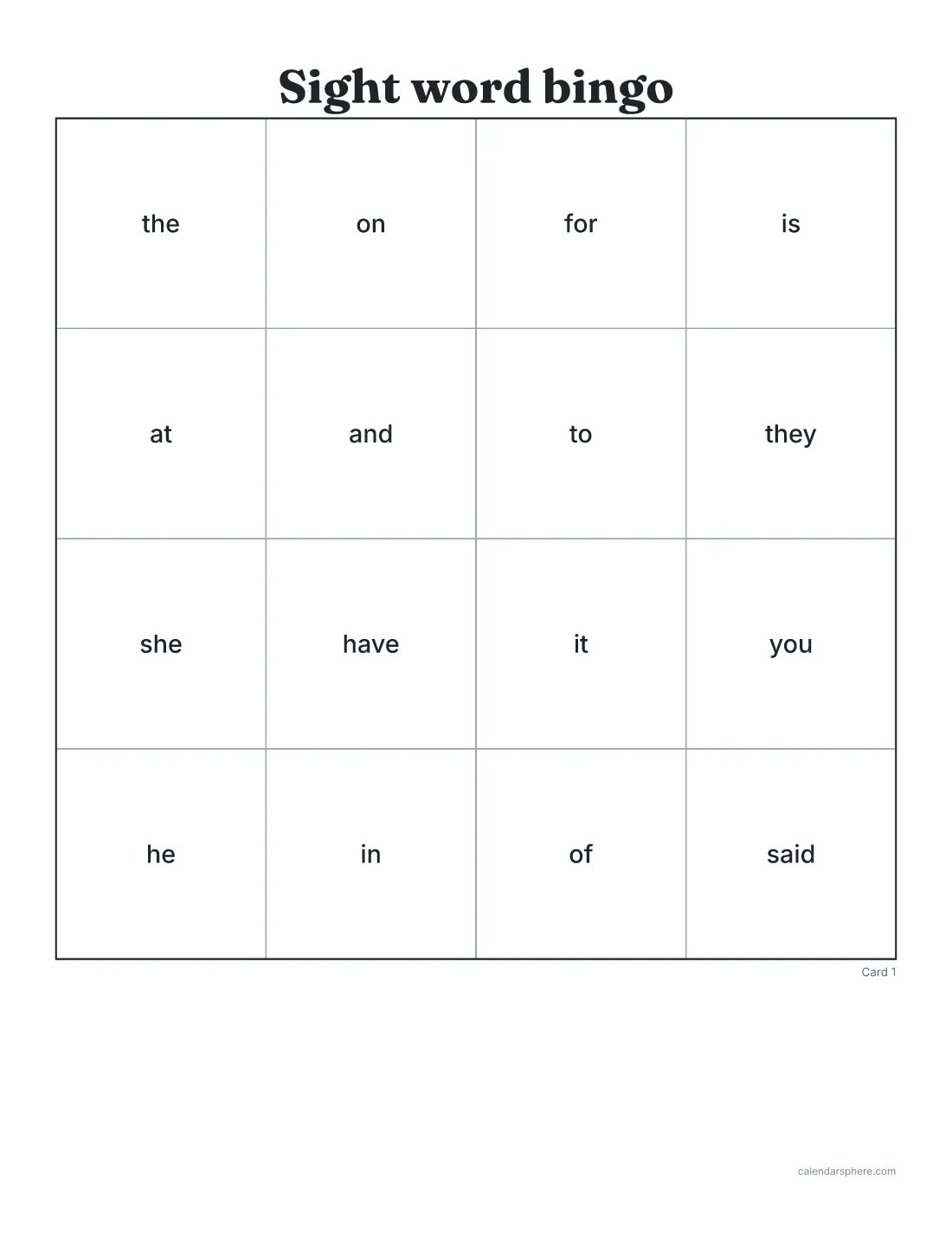
1. Sight word bingo. Put this term’s sight words on the cards and read them aloud. For a harder round, show the word on a card without saying it, so children have to read it.
2. Phonics sound bingo. Put letters or digraphs (sh, ch, th, ai, ee) on the cards. Say the sound, not the letter name, and children cover the matching spelling.
3. Times-table bingo. Put answers on the cards (12, 18, 24, 42, 56…) and call the questions: “seven times eight”. The order to learn times tables suggests which tables to include at each stage.
4. Number bonds bingo. Cards show numbers 0 to 10 (or 0 to 20). Call “7 and what make 10?” and children cover 3.
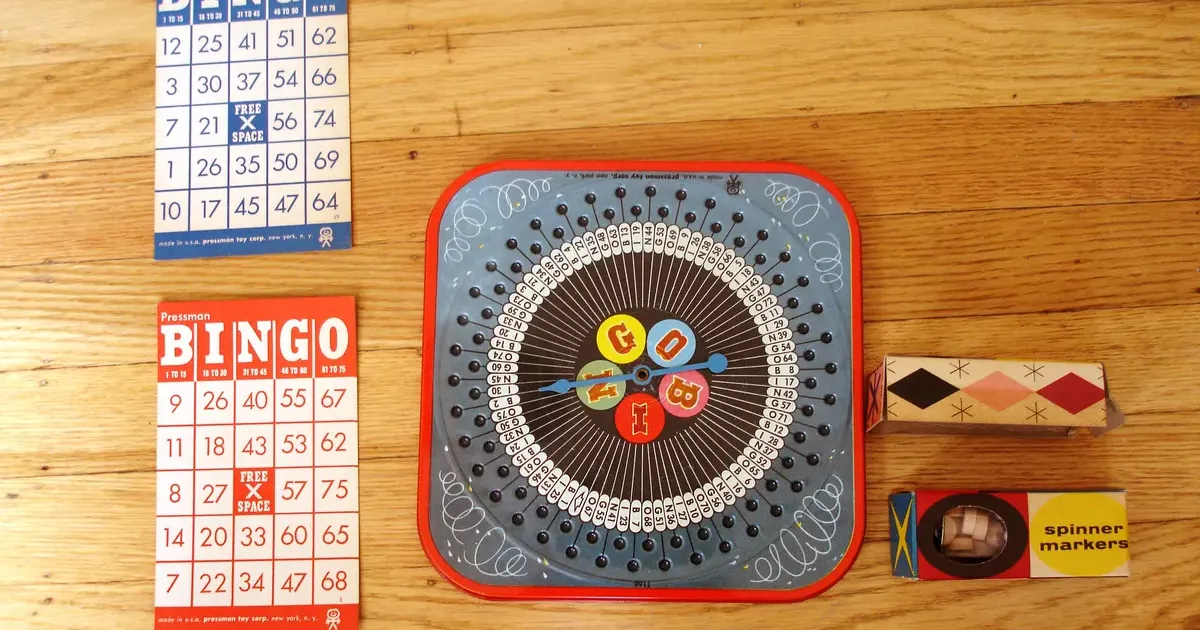
5. Number bingo with place value. Use the classic 1–75 number cards and call numbers as tens and ones: “four tens and seven ones” for 47. Younger children can play on 3 × 3 cards, which use 1 to 45.
6. Vocabulary definition bingo. Put topic words on the cards (photosynthesis, habitat, predator…) and read out the definitions. Children have to know the meaning, not just recognise the word.
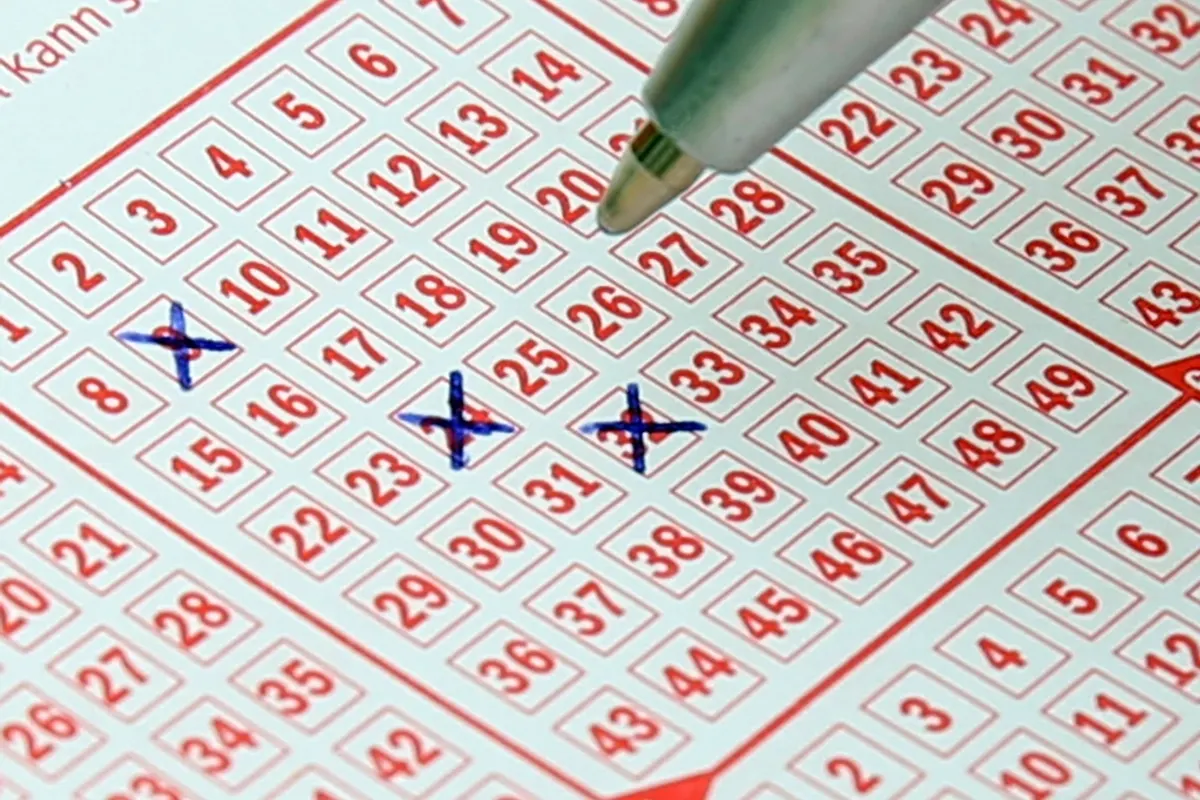
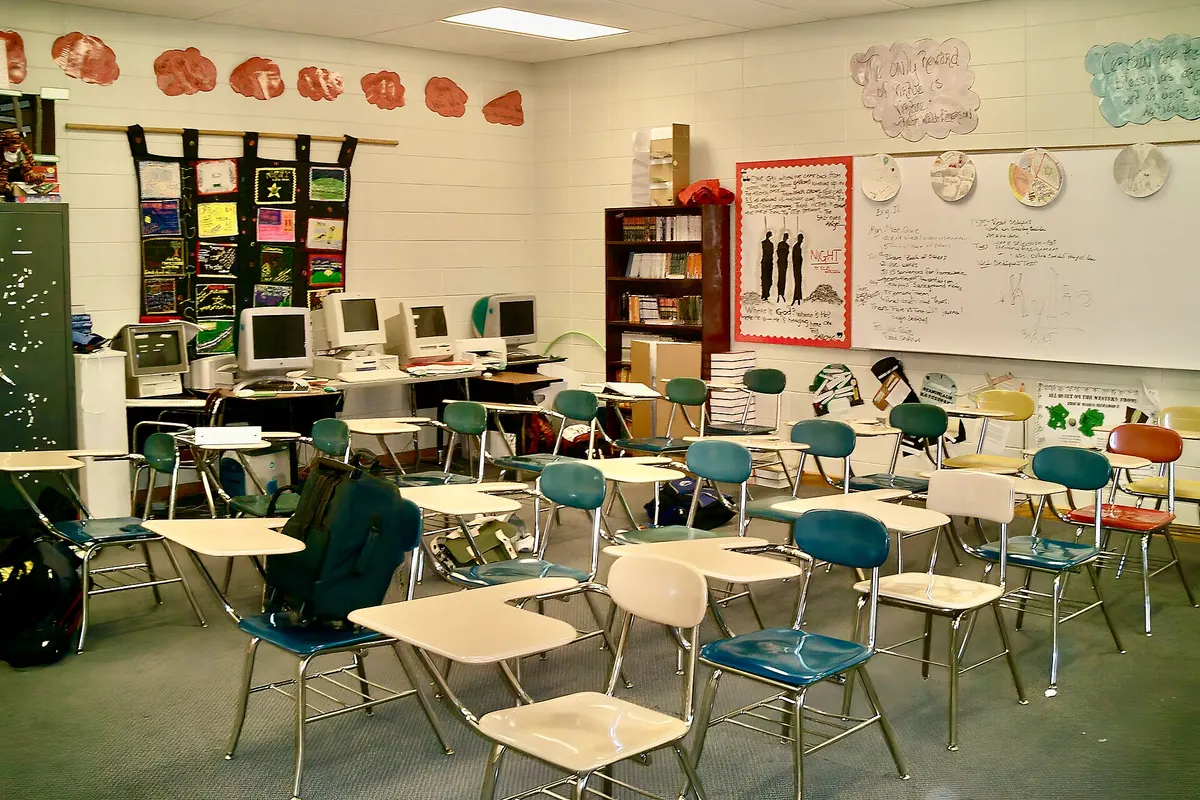
7. Science or history clue bingo. Cards show answers (Mars, Saturn, the Moon; or 1066, Romans, Vikings) and you read a clue for each. Good as a revision game before a topic test.
8. Spelling bingo. Put this week’s spellings on the cards. Read a sentence with the word missing, and children find the word that fits.
9. Rhyming bingo. Cards show simple words (cat, log, pen, sun). Call a word that rhymes (“hat”), and children cover the rhyme.
10. Foreign language bingo. Put words in the language on the cards and call them in English, or the other way round. Colours, numbers, food and animals all make good sets.
11. Shape and maths vocabulary bingo. Cards show hexagon, prism, perimeter, right angle. Call a description: “a shape with six straight sides”.
12. Getting-to-know-you bingo. For the first week of term, put statements on the cards: “has a pet”, “likes football”, “was born in winter”. Children walk round and find a classmate who fits each square, writing their name in it.
Winning patterns to try
Changing the pattern changes the length of the game without new cards.
| Pattern | What wins | Length |
|---|---|---|
| Line | Any full row, column or diagonal | Quick |
| Four corners | All four corner squares | Quick to medium |
| Letter X or plus | Both diagonals, or the middle row and column | Medium |
| Picture frame | Every square on the outside edge | Medium to long |
| Full card | Every square | Long |
A good routine: play for a line first, then carry on with the same cards for a full card.
Tips for running bingo in class
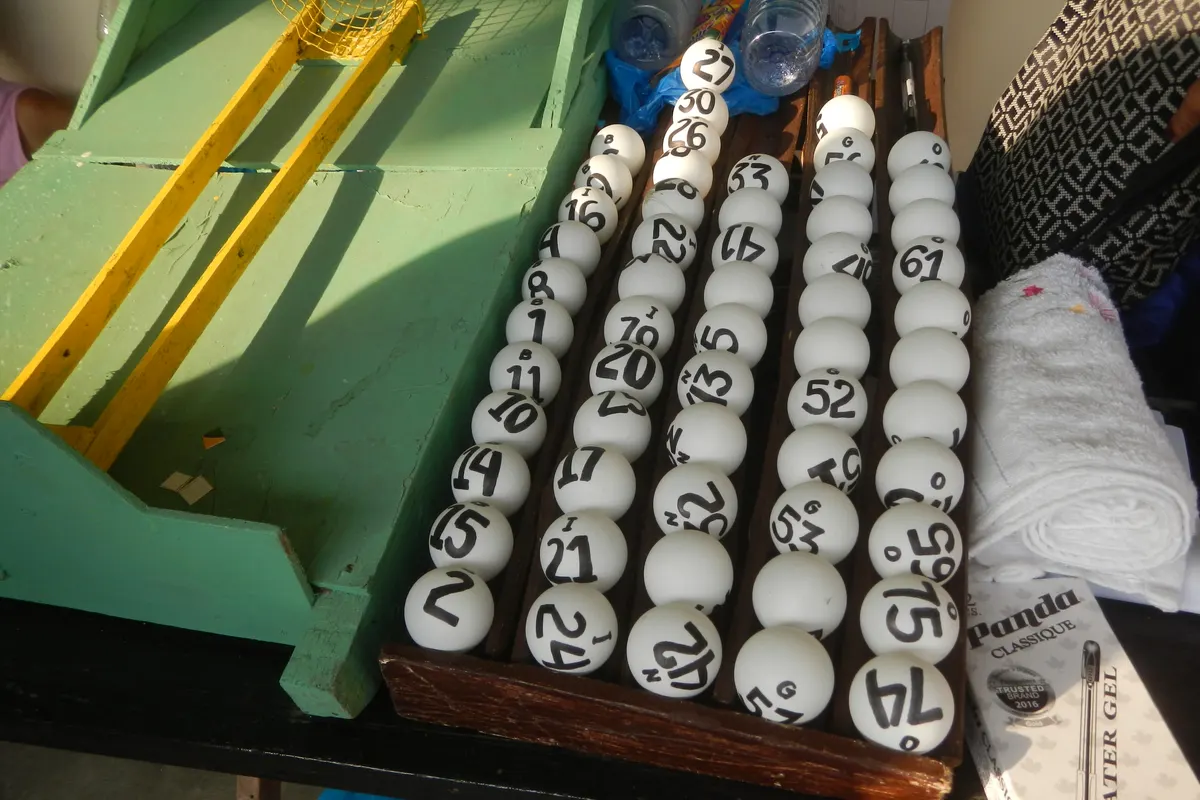
- Make every card different. Give the generator more words than there are squares, so each card has its own selection and not everyone wins on the same call.
- Keep a call list. Tick each item as you call it, so you can check a winning card in seconds.
- Ask the winner to read back. Before you confirm a win, the winner reads their covered words aloud. That is extra practice for them and for everyone listening.
- Call clues, not answers. For older pupils, the clue does the teaching: a definition, a sum, a sentence with a gap.
- Reuse the cards. Slip them into plastic sleeves and use dry-wipe pens, or use counters.
- Small prizes, or none. First to call bingo chooses the next game, or calls the next round. Many classes are happy with the game itself.
Choosing a card size
| Card | Squares to fill | Words needed | Suits |
|---|---|---|---|
| 3 × 3 with free space | 8 | 8 or more | Ages 4 to 6, short games |
| 4 × 4 | 16 | 16 or more | Ages 6 to 9 |
| 5 × 5 with free space | 24 | 24 or more | Ages 8 and up, longer games |
Reuse your word lists
The same list can make a word search for the start of the lesson and bingo for the end. Word search themes has 20 ready lists, from space to feelings, that work just as well on bingo cards, and the word search maker turns any of them into a puzzle with an answer key. If you want to build your own puzzles from scratch, how to make a word search walks through it.

Print your bingo cards

The bingo card generator makes up to 40 different cards in one PDF: 3 × 3, 4 × 4 or 5 × 5, with a free space in the middle on the odd sizes. Choose classic numbers or type your own words, up to 100 of them, give the game a title, and print one, two or four cards to a page. Add the call list and you have everything for the game on one download.
Frequently asked questions
How do you play bingo in the classroom?
Give each child a different card. Call an item, or a clue to it; children cover the matching square. The first to complete the agreed pattern calls “Bingo!” and you check their card against the call list.
What card size is best for young children?
A 3 × 3 card with a free space in the middle needs only 8 words and fills quickly, which suits ages 4 to 6. Older children can play on 4 × 4 or 5 × 5 cards.
How many words do I need for word bingo?
At least as many as the squares on a card: 8 for 3 × 3 with a free space, 16 for 4 × 4 and 24 for 5 × 5 with a free space. More words than squares make every card different.
How do I stop the whole class winning at once?
Give the cards more words than squares, so each card holds a different selection, and use a harder pattern such as four corners or a full card for later rounds.
What can children use to cover the squares?
Counters, buttons, small pieces of paper or dried beans work well. You can also slip cards into plastic sleeves and use dry-wipe pens, so the cards can be reused.
How long does a game of classroom bingo take?
A single line on a 5 × 5 card usually takes a few minutes, which makes bingo a good lesson starter or plenary. A full-card round takes longer and suits the end of term.