To understand how to use a reward chart, keep it simple: choose one clear goal, agree the reward before you start, let your child fill a space every time the goal happens, and give the reward as soon as the chart is full. Then make the next chart a little longer, until the habit no longer needs one.
Reward charts are popular because children can see their progress. A sheet of stars on the fridge is a daily reminder of what they are aiming for and how close they are.
How to use a reward chart in six steps
1. Pick one goal, written as something to do. “Gets dressed before breakfast” works better than “stops dawdling in the morning”. Your child should be able to tell, each time, whether they did it. Good first goals include:
- Reading for 10 minutes every evening
- Staying in bed all night
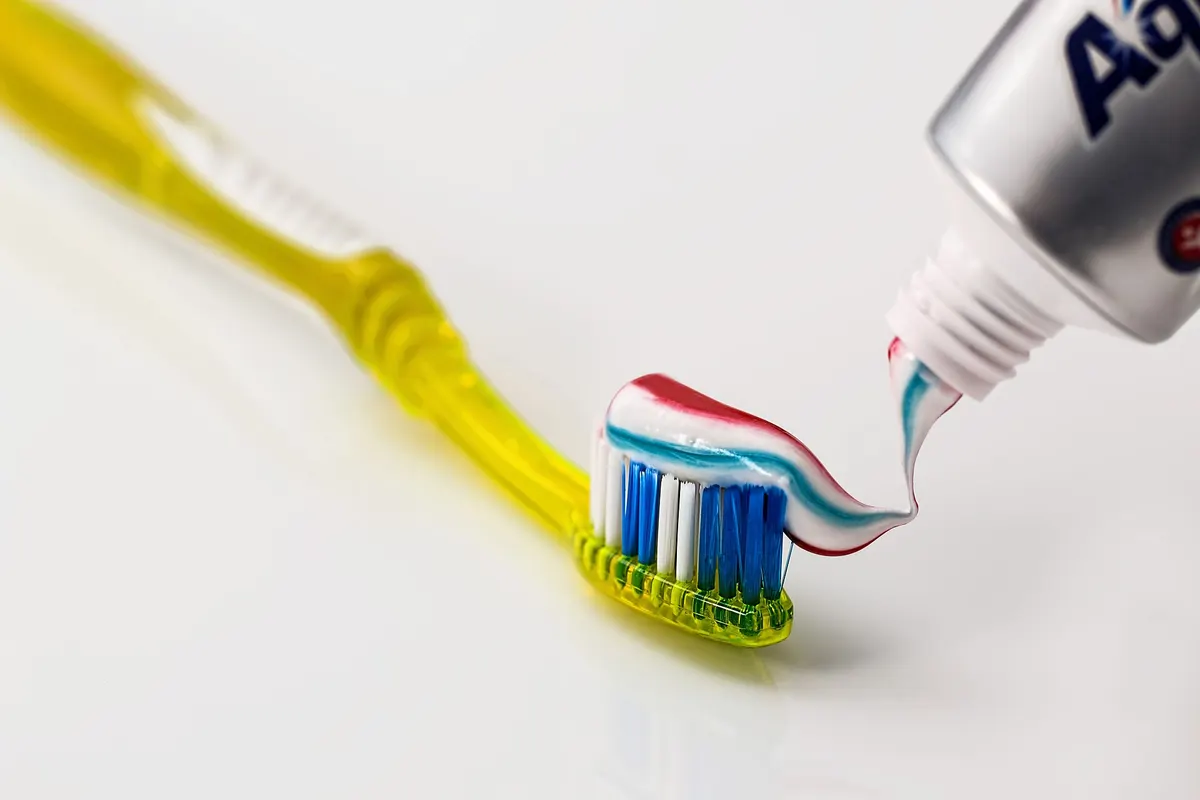
- Brushing teeth without reminders
- Putting shoes and coat away after school
- Saying please and thank you at mealtimes
- Starting homework without being asked
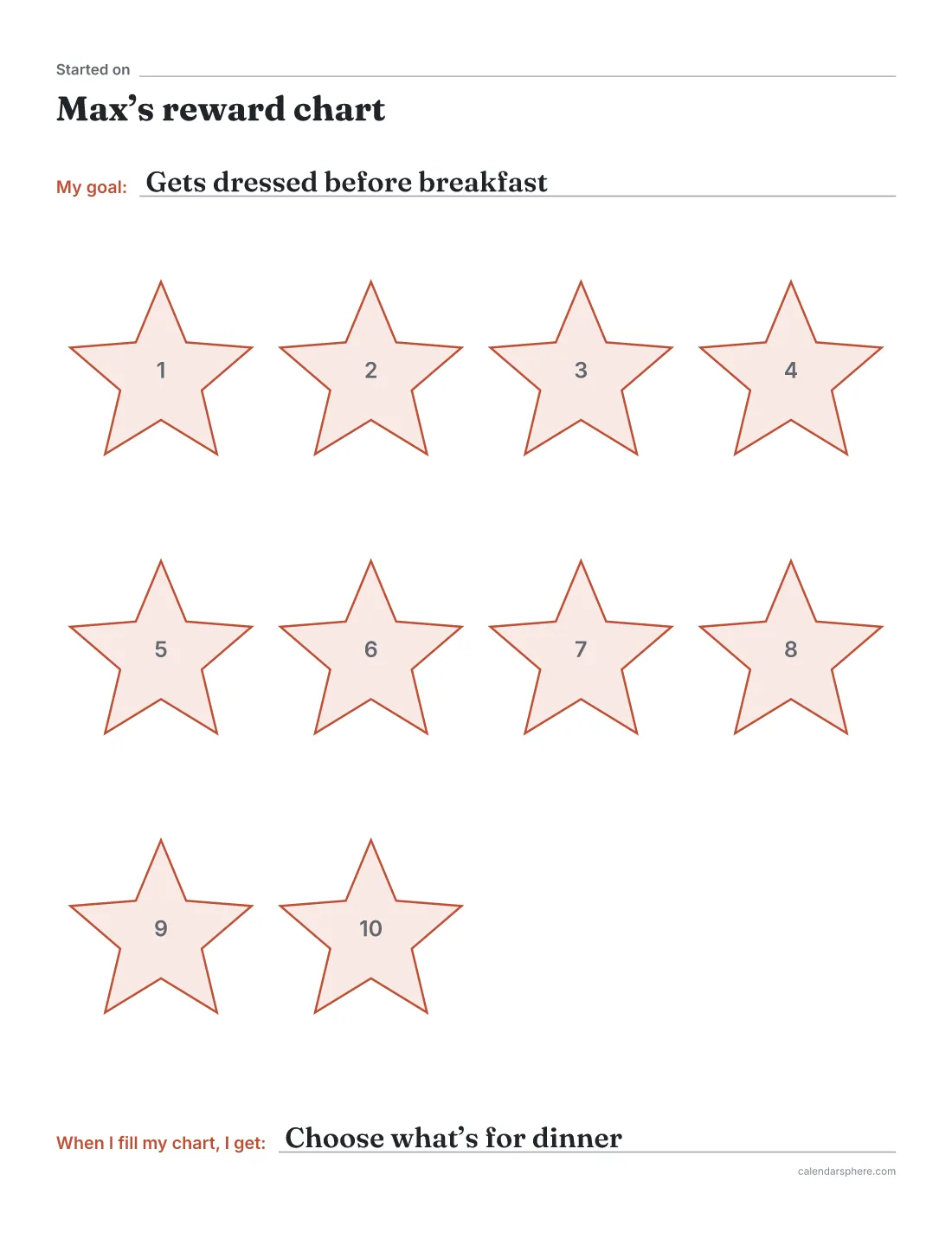
2. Choose the reward together. Children work harder for something they picked. Agree it before the first star, write it down, and keep it in proportion to the effort.
3. Choose the number of spaces. The chart should take about one to two weeks to fill. Young children lose interest in a goal that feels far away; older children can wait longer.
| Age | Spaces | Typical time to fill |
|---|---|---|
| 3 to 5 | 10 | About a week to ten days |
| 5 to 7 | 15 or 20 | Two to three weeks |
| 8 and up | 25 or 30 | Three to four weeks |
4. Fill a space straight away. The closer the star is to the good behaviour, the clearer the link. Let your child add the sticker or colour it in themselves.
5. Praise the action, not the star. “You got dressed all by yourself, that was quick” tells your child what they did well. The star is the record; the words are the encouragement.
6. Give the reward when it’s full, as promised. Don’t delay it or add conditions. A reward that arrives as agreed is what makes the next chart worth trying.
Common mistakes with reward charts
- Too many goals at once. A chart for “good behaviour” is too vague to fill fairly. One chart, one goal.
- Taking stars away. Once earned, a star stays. Deal with misbehaviour separately, so the chart stays positive.
- A reward that is too far off. If the chart needs 30 days of perfect behaviour, many children give up halfway.
- Forgetting to fill it in. Keep a pen or the stickers next to the chart, so a space never waits until later.
- Using it forever. A chart is a tool to start a habit. Once the habit is steady, stop the chart and celebrate.
Rewards that don’t cost much
Rewards don’t have to be things. Many families find time together is the most motivating reward of all:
- Choosing what’s for dinner or the family film
- A trip to the park, library or swimming pool
- Baking or cooking together
- Staying up 15 minutes later on a Friday
- A board game with a parent, just the two of them
- Having a friend round to play
- A small treat, a book or a new set of pens
In a classroom, rewards can be a class privilege: extra playtime, choosing the music, a pyjama day or a class film.
How to phase a reward chart out
The goal of a reward chart is to make itself unnecessary. Once your child fills a chart without reminders:
- Make the next chart longer: from 10 spaces to 15 or 20.
- Fill a space for a longer streak, such as three good mornings instead of one.
- Stop the chart and say why: “You don’t need a chart for this any more. You just do it.”
Then start a new chart for the next goal, if there is one. Many children are proud to graduate from a chart.

Reward charts and chore charts
A reward chart is for one habit. If you want your child to do several jobs each day, a chore chart is clearer: a row per job and a box per day. Some families use both, with the chore chart for the everyday routine and a reward chart for the one job that still needs encouragement. For ideas on what to put on the chore chart, see age appropriate chores, with lists for ages 3 to 12.
Reward charts also pair well with a homework routine for kids: a star for starting homework on time, for example, while the routine itself sets out when and where homework happens.
For older children and adults, a habit tracker does the same job without the reward: a box for each day, and the satisfaction of a growing streak.
Make your reward chart

The reward chart maker prints your child’s name at the top, with 10, 15, 20, 25 or 30 numbered spaces as stars, circles or squares. There are lines for the goal and the reward, so you can type them in or leave them empty and write them together. Print it, stick it at your child’s eye level, and fill the first space the first time it happens.
Frequently asked questions
What age is a reward chart for?
Reward charts are most often used from about age 3 to 10. Younger children need short charts and quick rewards; older children can work towards a bigger reward over a few weeks.
How many stars should a reward chart have?
Enough to fill in about one to two weeks. For a young child earning one star a day, 10 or 15 spaces is plenty; older children can manage 25 or 30.
Should you take stars away for bad behaviour?
Most parents and teachers find it works better not to. A star that was earned stays earned; taking stars away tends to make the chart feel like a punishment and children lose interest.
What are good rewards for a reward chart?
Rewards that are small and about time together work well: choosing the film for family night, a trip to the park, baking together, a later bedtime on Saturday or a small treat.
How long should you use a reward chart?
Until the habit happens without reminders, often a few weeks. Then make the next chart longer or move on to a new goal, and let the old habit carry on without a chart.
Can I use a reward chart for more than one behaviour?
It is usually clearer to have one chart per goal. For several daily jobs, a chore chart with a box per job per day works better, with a reward chart kept for the one habit you most want to build.