The usual order to learn times tables is 10, 2 and 5 first, then 4 and 8, then 3 and 6, then 9 and 11, and finally 7 and 12. Each step uses patterns and facts from the tables before it, so the hardest tables come last, when there is very little new left to learn.
Many schools follow a similar sequence, with the 2, 5 and 10 tables in the early years and all tables to 12 learned by the end of primary school. The details vary between countries and schools, so check what your child’s class is working on and follow its lead.
The order to learn times tables, step by step
| Step | Tables | Why this order |
|---|---|---|
| 1 | 0, 1 and 10 | Simple rules: 0 makes 0, 1 changes nothing, 10 adds a zero |
| 2 | 2 and 5 | Counting in twos and fives; answers are even, or end in 0 or 5 |
| 3 | 4 and 8 | Double the 2 table, then double again |
| 4 | 3 and 6 | The 6 table is double the 3 table |
| 5 | 9 and 11 | Finger trick and digit patterns for 9; repeated digits for 11 up to 9 × 11 |
| 6 | 7 and 12 | Mostly facts already known from other tables |
Why start with 10, 2 and 5
These three tables have patterns children can see. Every answer in the 10 table ends in 0. Every answer in the 2 table is even. Answers in the 5 table end in 5 or 0, and each one is half the matching answer in the 10 table. Children who have counted in twos, fives and tens already know the sequences, so the tables feel familiar.
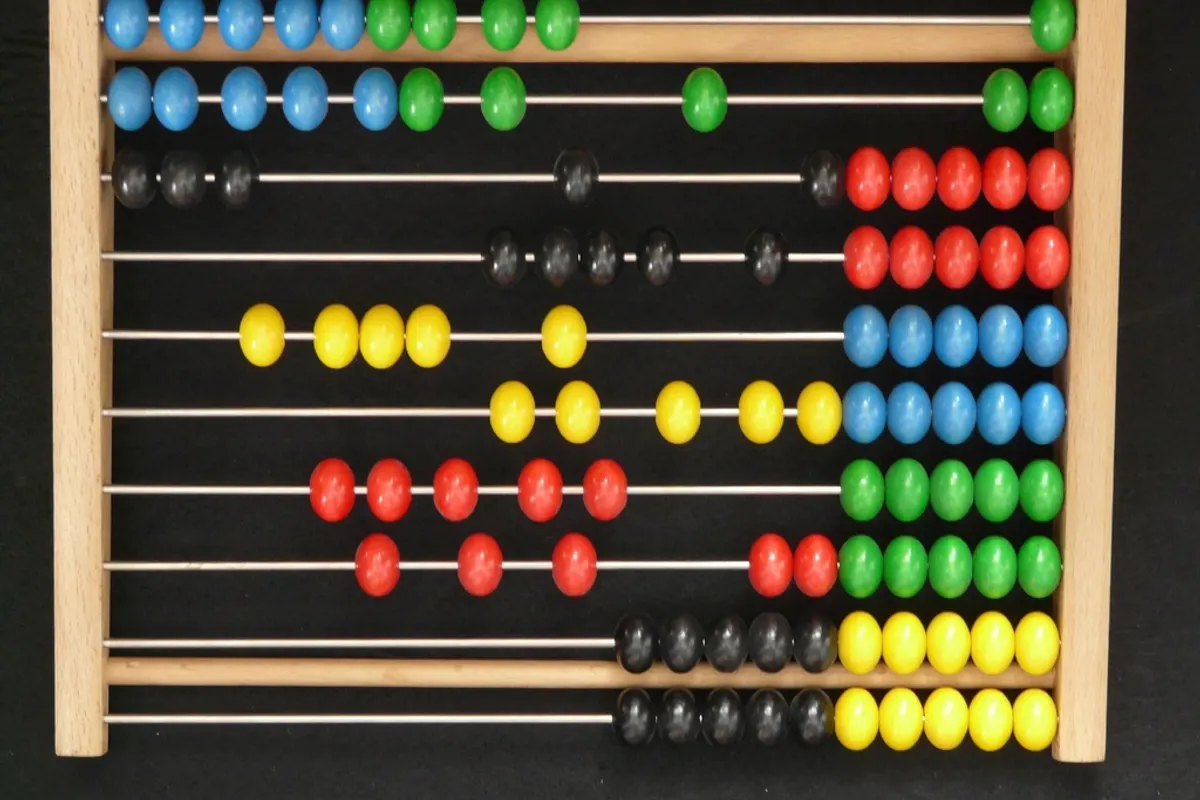
Then use doubling: 4 and 8, 3 and 6
Once a child knows the 2 table, the 4 table is double: 2 × 6 = 12, so 4 × 6 = 24. Double again for the 8 table: 8 × 6 = 48. The same trick links 3 and 6. This teaches a habit that matters more than any single fact: using something you know to work out something you don’t.
9 and 11 have tricks of their own
In the 9 table, the digits of each answer up to 9 × 10 add up to 9 (18, 27, 36…), and the tens digit is one less than the number you are multiplying by. The 11 table repeats the digit up to 9 × 11 (11, 22, 33…). The answers after that, 110, 121 and 132, need a little more practice.
Leave 7 and 12 until last
The 7 and 12 tables look hard, but by this point a child already knows most of their facts. 7 × 2, 7 × 5 and 7 × 10 came from earlier tables; 7 × 3, 7 × 4, 7 × 6, 7 × 8, 7 × 9 and 7 × 11 did too, the other way round. The only truly new fact is 7 × 7, plus 7 × 12 if you go on to the 12 table.
Every fact counts twice
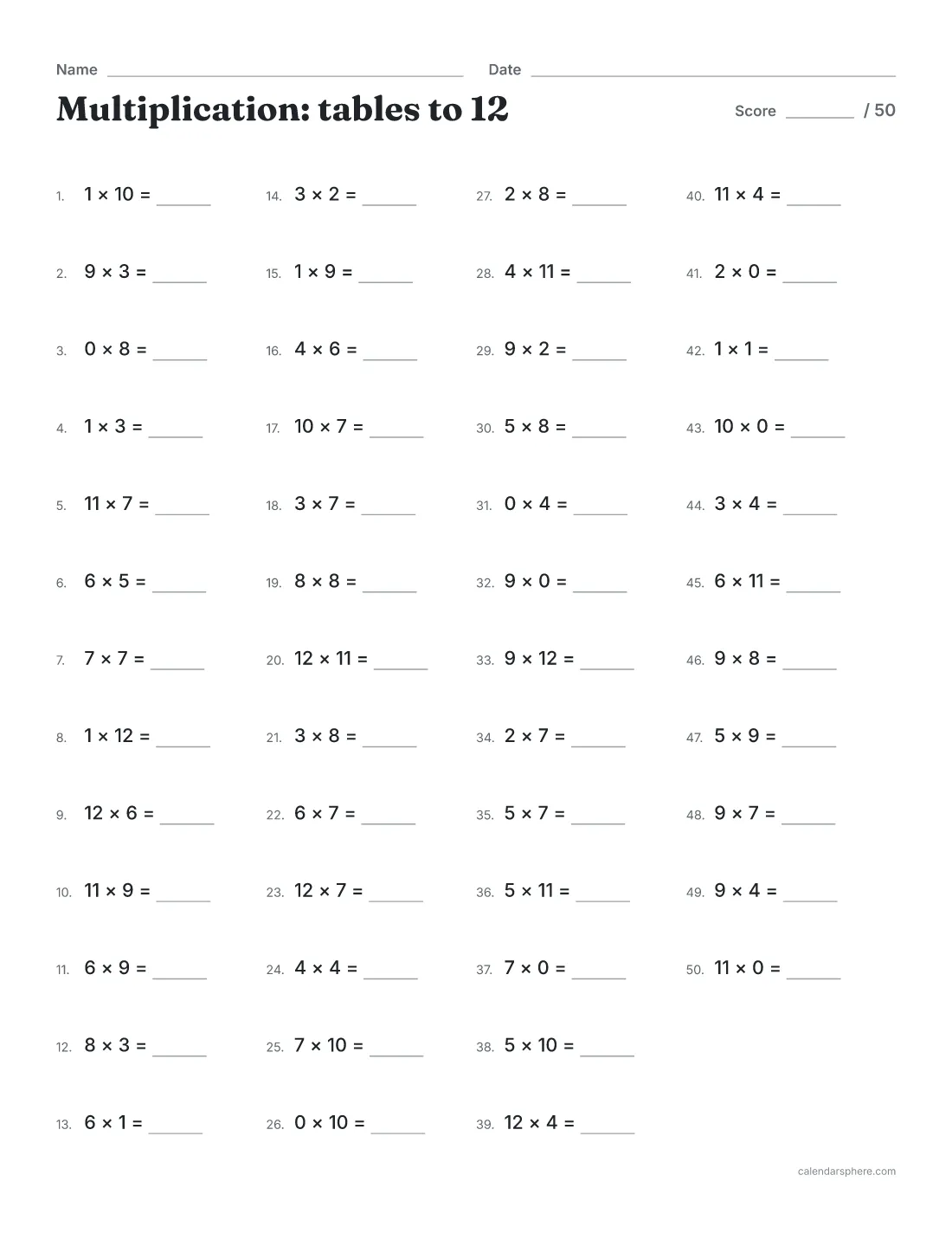
The single most useful idea in times tables is that order doesn’t matter: 3 × 8 is the same as 8 × 3. Point this out early. A grid of facts from 1 × 1 to 12 × 12 has 144 squares, but once a child sees that each fact appears twice, the job is roughly halved, and each new table brings fewer new facts than the one before.
How to practice each table
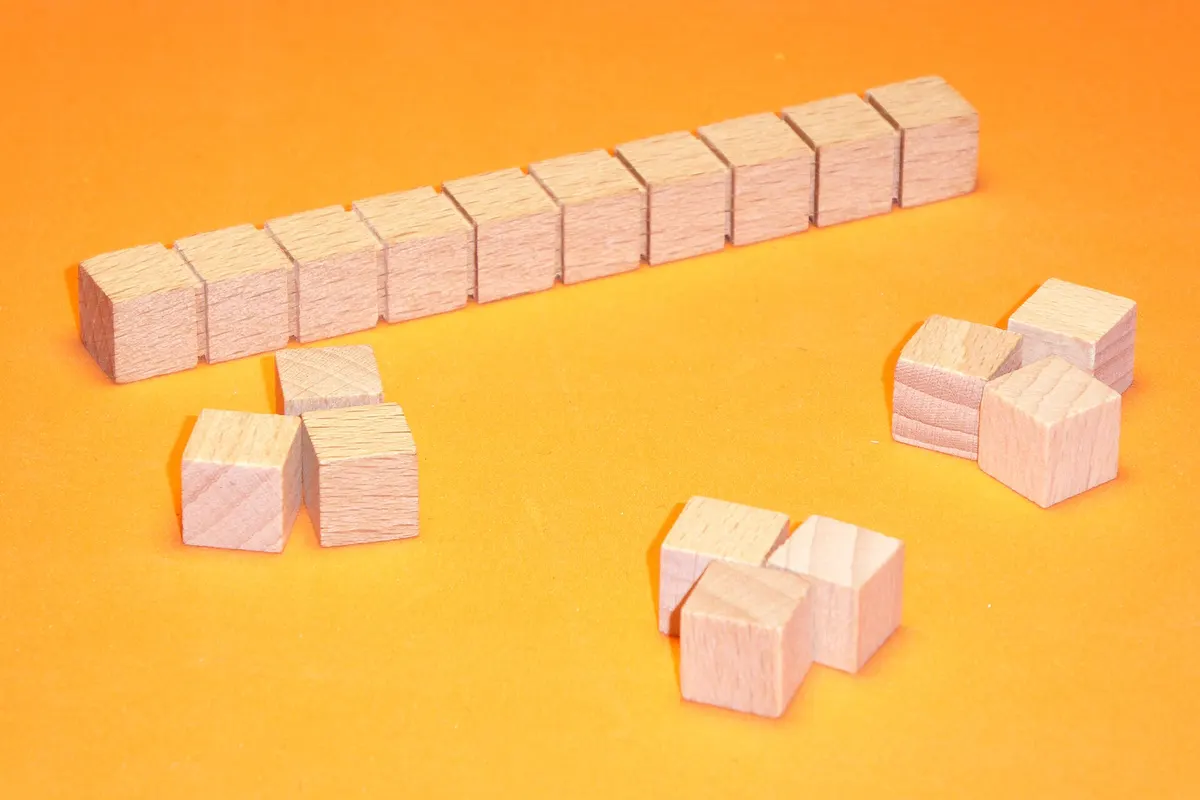
- Count it first. Say the table as a count (4, 8, 12, 16…) before saying it as facts.
- Learn it in order, then mixed up. Reciting 1 × 6 to 12 × 6 builds the sequence; mixed questions check the child can jump to any fact.
- Add it to the tables already known. Practice new facts mixed with old ones, so earlier tables stay fresh.
- Speed up only when it’s accurate. Answering correctly comes first; quick recall follows with regular practice.
Short daily sessions of five to ten minutes suit most children. Math fact fluency covers how to turn those sessions into quick drills that build speed without stress.
Using printable worksheets
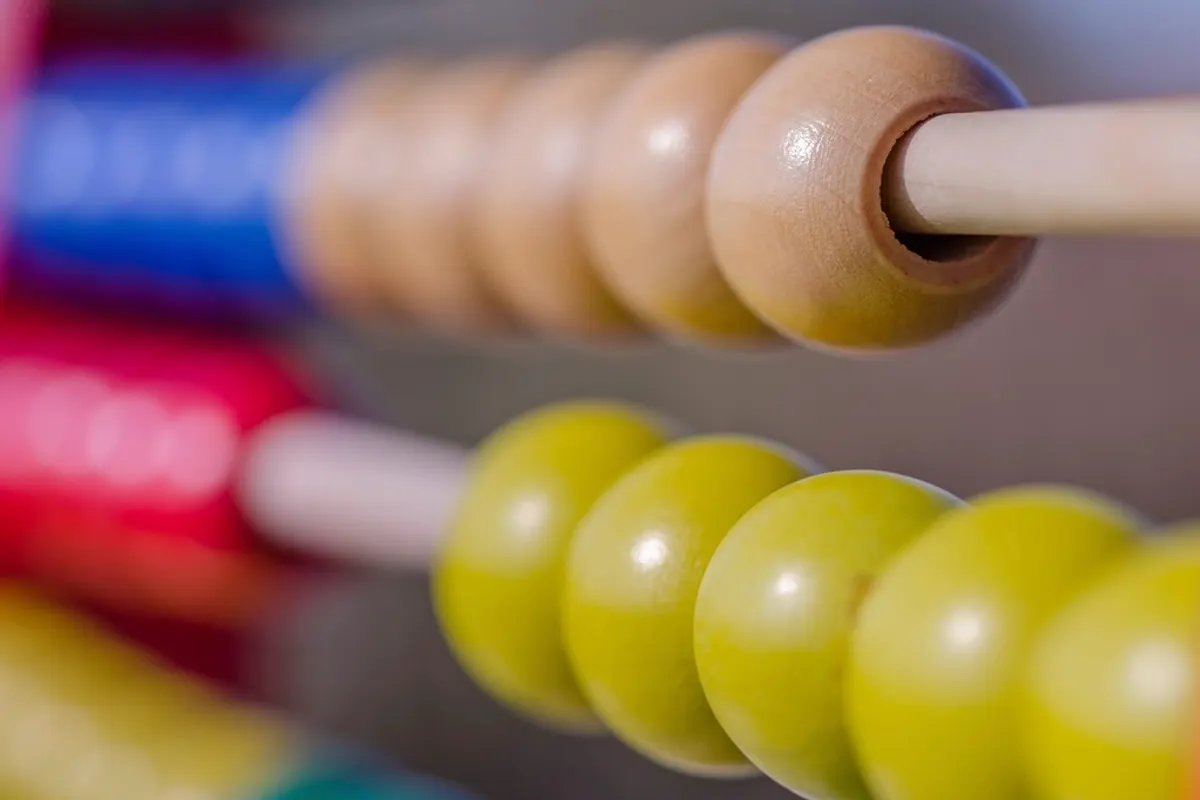
The math worksheets maker prints multiplication or division practice with tables to 5, 10 or 12, so a sheet always mixes all the tables up to that point. That matches the order above:
- Tables to 5 covers 0 to 5 times 0 to 5, a good mixed check once 2 and 5 (and then 3 and 4) are known.
- Tables to 10 adds 6 to 10, for when the doubling tables, 9 and 7 are in place.
- Tables to 12 covers every fact from 0 × 0 to 12 × 12.
Each sheet has 20, 30, 50 or 100 problems and its own answer key, and “New problems” gives a fresh sheet each time. Twenty large problems suit a child who is still building confidence; 100 small ones make a timed challenge for one who is close to knowing them all. Division sheets use the same tables in reverse, which is a good check that a fact is really known.
Games that help
Not every session needs a worksheet. Times-table bingo is a favourite in many classrooms: call out “6 × 7” and players cover 42. The bingo card generator takes your own words, so you can type in the answers you want on the cards and read the questions aloud. Classroom bingo ideas has more ways to play.
Other quick games: snap with fact cards, “beat the clock” on ten questions, or skip-counting while bouncing a ball.
Start with the next table on the list
Find the first table in the sequence your child doesn’t know yet, practice it for a week or two with short daily sessions, then add it to a mixed sheet. The math worksheets maker prints a new set of problems with an answer key every time, so practice never repeats the same page.
Frequently asked questions
Which times table should a child learn first?
The 10 times table, then 2 and 5. They follow clear patterns (every answer ends in 0, is even, or ends in 0 or 5), so children get quick wins and learn how tables work.
Which times table is the hardest?
Many children find 7 and 12 the hardest, because their patterns are less obvious. Leaving them until last helps, since by then most of their facts are already known from other tables.
Why learn the 4 times table after the 2?
Each answer in the 4 times table is double the answer in the 2 times table, and each answer in the 8 is double again. Children can use a fact they know to work out one they don’t.
How many new facts are left once you know 2, 5 and 10?
Far fewer than it seems. Because 3 × 7 is the same as 7 × 3, every fact you learn counts twice, and by the time you reach the 7 table only 7 × 7 and a handful of others are new.
Should children learn the 0 and 1 times tables?
Yes, but they take minutes rather than weeks: anything times 0 is 0 and anything times 1 is itself. Teach them as rules alongside the 10 times table.
How long should times table practice be?
Five to ten minutes a day works better for most children than one long session a week. Short, regular practice keeps facts fresh without making it a chore.