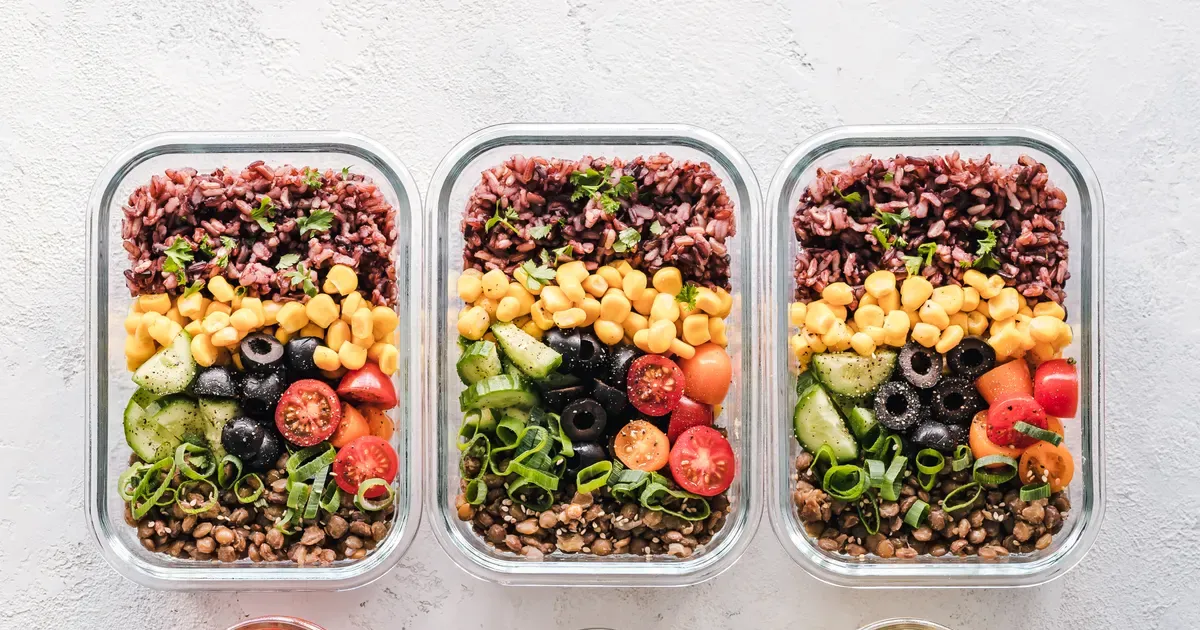
How to meal plan for the week: look at the week ahead, check what food you already have, choose five or six dinners (with one night for leftovers), fill in simple breakfasts and lunches, then write a single shopping list from the plan. Twenty minutes of planning replaces seven evenings of “what’s for dinner?” and the extra trips to the shop that come with it.
Here are the steps, a sample week with its shopping list, and the mistakes that make meal plans fail.
How to meal plan for the week in 6 steps
1. Check the week ahead
Before choosing a single meal, look at your calendar. Late meetings, sports practice, a night out, guests on Saturday: each changes what dinner should be. Busy nights need something fast or already cooked; quiet nights can take a recipe that needs time. If you already plan your week, do the meals straight after; how to plan your week covers that routine.
2. Shop your kitchen first
Open the fridge, freezer and cupboards. What needs using up? Half a bag of spinach, a tin of chickpeas and some frozen chicken can be Monday’s dinner. Write these down before you add anything new.
3. Pick five or six dinners
Choose dinners for most of the week, not all of it. Leave one night for leftovers and perhaps one flexible night for eating out, a freezer meal or eggs on toast. Mix it up: one new recipe a week is plenty, alongside meals you can make without thinking.
4. Reuse ingredients
Plan meals that share ingredients so nothing goes to waste: a whole chicken roasted on Sunday becomes wraps on Monday; a bag of peppers stretches across a stir-fry and a pasta bake. Put meals with the most perishable ingredients (fish, salad leaves, soft herbs) early in the week.
5. Keep breakfasts and lunches simple
Rotate two or three options, such as porridge or yoghurt and fruit for breakfast, and leftovers, sandwiches or soup for lunch. Planning them still matters, because they need to be on the shopping list.
6. Write the shopping list from the plan
Go through each day and write down every ingredient you don’t already have. Group the list by section of the shop (produce, dairy, meat, cupboard, frozen) so you walk the aisles once. Then stick to it.
A sample weekly meal plan
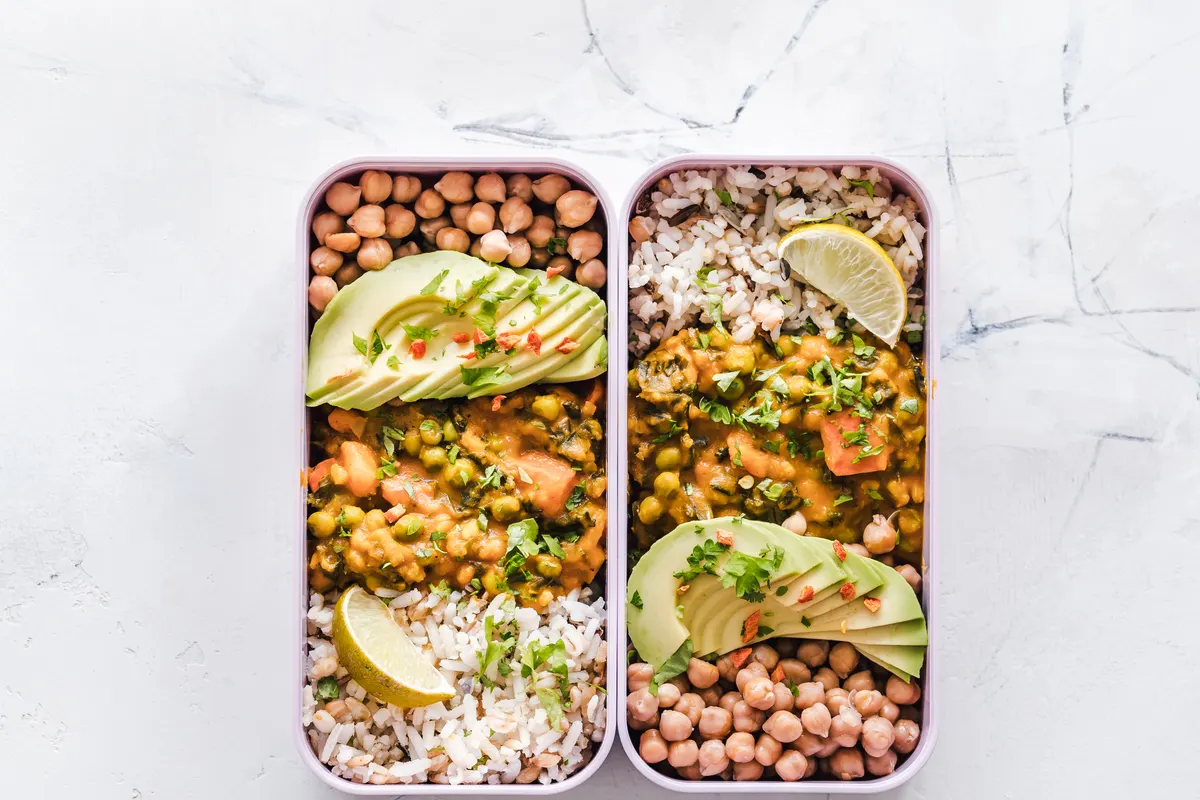
Here’s a week for a family of four with two busy evenings (Tuesday and Thursday):
| Day | Breakfast | Lunch | Dinner |
|---|---|---|---|
| Monday | Porridge and banana | Sandwiches | Chicken and vegetable stir-fry |
| Tuesday | Yoghurt and granola | Leftover stir-fry | Slow-cooker chilli (busy night) |
| Wednesday | Porridge and banana | Soup and bread | Salmon, potatoes and green beans |
| Thursday | Toast and eggs | Leftover chilli wraps | Pasta with tomato sauce (busy night) |
| Friday | Yoghurt and granola | Sandwiches | Homemade pizza |
| Saturday | Pancakes | Out | Roast chicken and vegetables |
| Sunday | Toast and eggs | Chicken salad wraps | Leftovers night |
And the shopping list it produces, grouped by aisle (assuming staples like oil, salt and pasta are at home):
- Produce: bananas, broccoli, peppers, onions, garlic, carrots, potatoes, green beans, salad leaves, tomatoes
- Meat and fish: chicken breasts, minced beef, salmon fillets, whole chicken
- Dairy and eggs: milk, yoghurt, eggs, cheese, butter
- Bakery: bread, wraps, pizza bases
- Cupboard: oats, granola, tinned tomatoes, kidney beans, soup, rice
Notice the overlaps: peppers and onions appear in the stir-fry, the chilli and the pizza; the chilli feeds Thursday’s lunch; Saturday’s roast chicken becomes Sunday’s wraps. That’s where most of the savings come from.
Meal planning on a budget
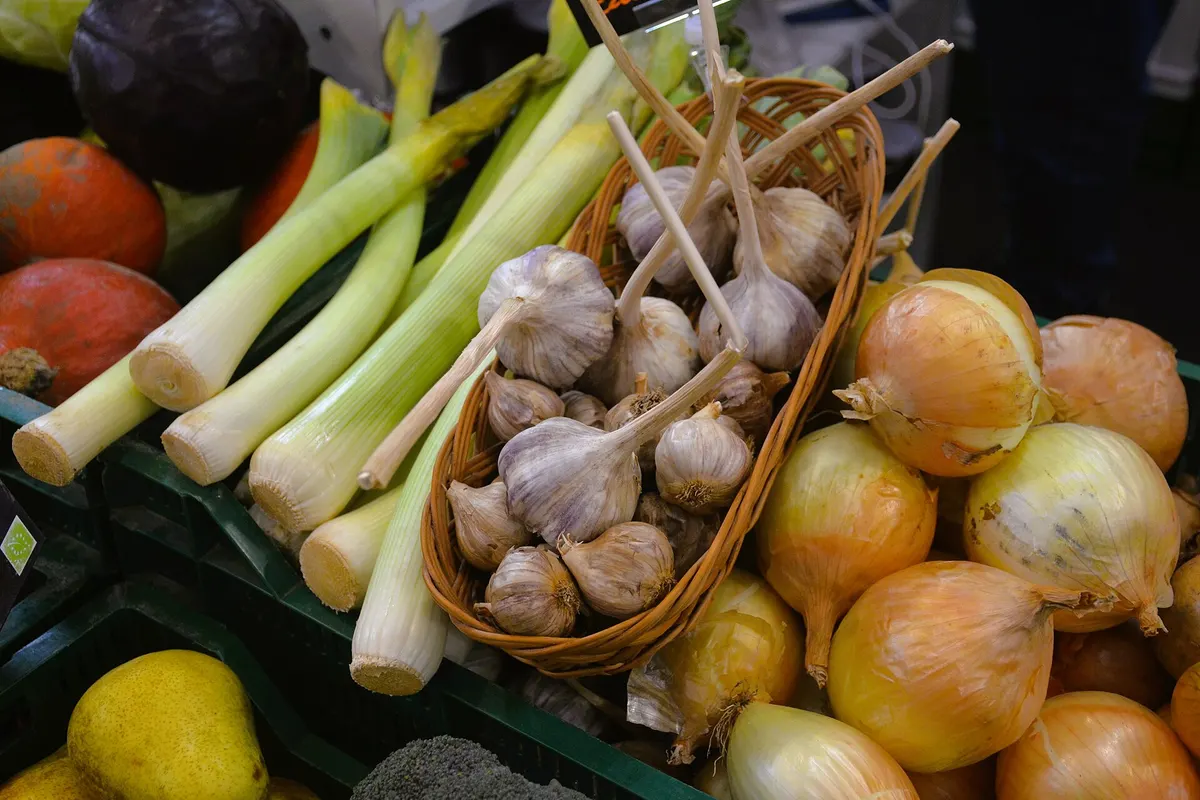
Groceries and eating out are often among the biggest flexible costs in a household budget, so meal planning is one of the easiest ways to spend less. A few habits help:
- Build meals around what’s on offer or in season that week.
- Cook once, eat twice. Double a recipe and freeze half, or plan it as tomorrow’s lunch.
- Shop only from the list, and eat before you go.
- Track it. Write your grocery spending in a monthly budget and compare it with the plan; how to make a monthly budget shows how, and the budget planner has a Groceries line ready.
Common meal planning mistakes
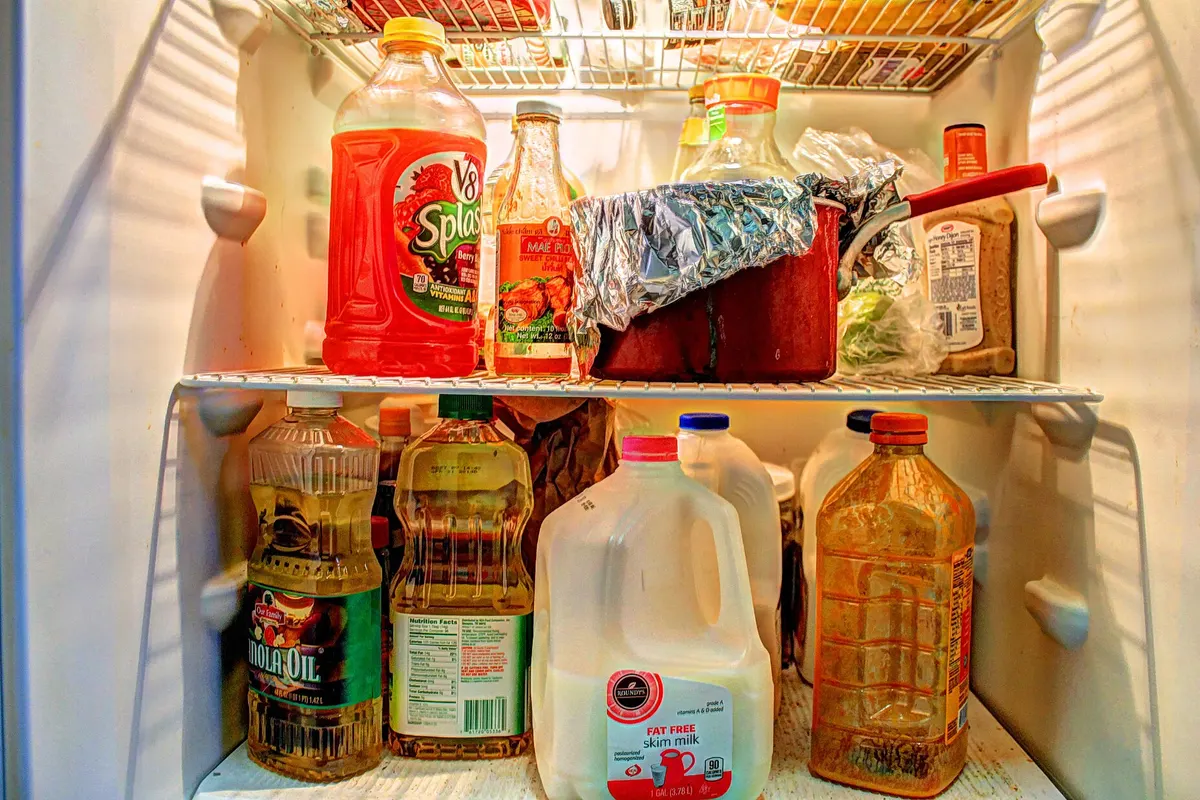
- Planning seven new recipes. Ambitious plans collapse by Wednesday. One new meal a week is enough.
- Ignoring the calendar. A two-hour recipe on the night of a late meeting becomes a takeaway.
- No leftovers night. Without one, the fridge fills with half-eaten dishes.
- Forgetting snacks and lunches. These cause most of the midweek extra trips to the shop.
- Starting from scratch each week. Keep old plans. After a month you have four weeks you can repeat or swap around.
Meal planning with kids
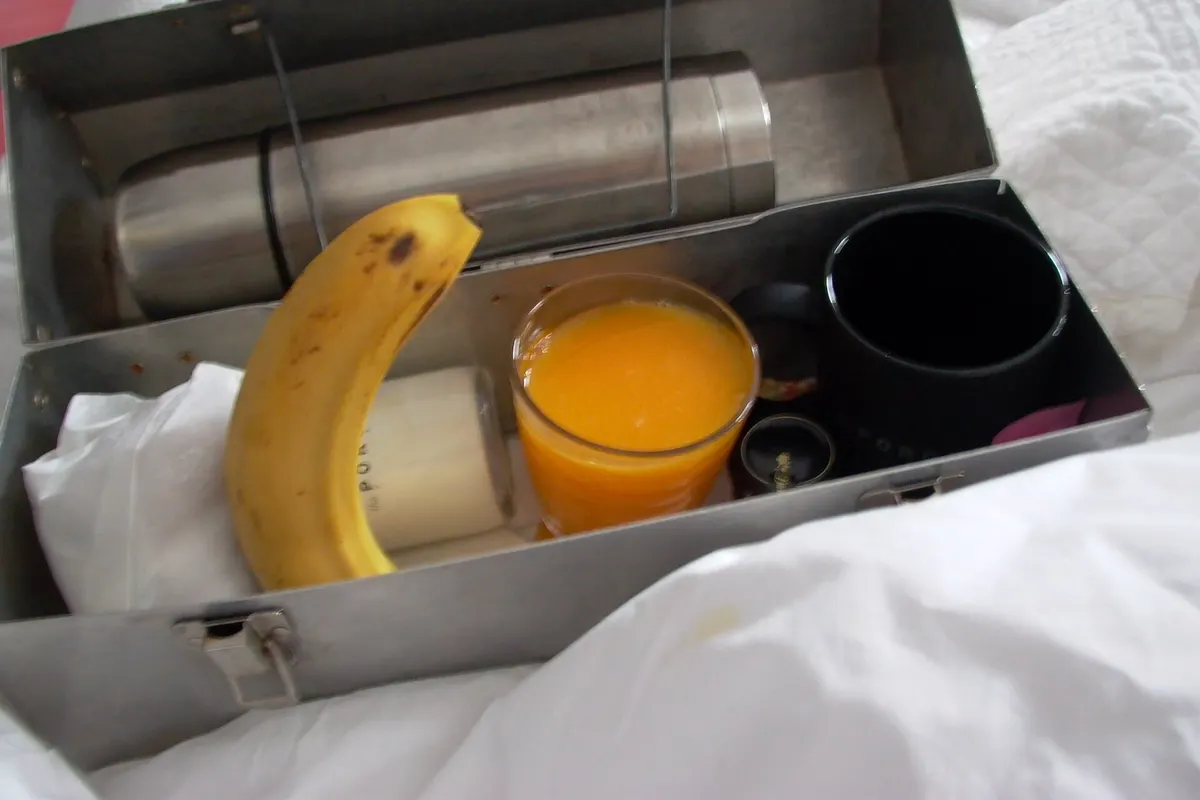
Let children pick one dinner each week from a short list, and give them a job in making it. During school holidays, when lunches move home, plan those too; a summer schedule for kids includes meal and snack times in the daily rhythm.
Print a weekly meal planner

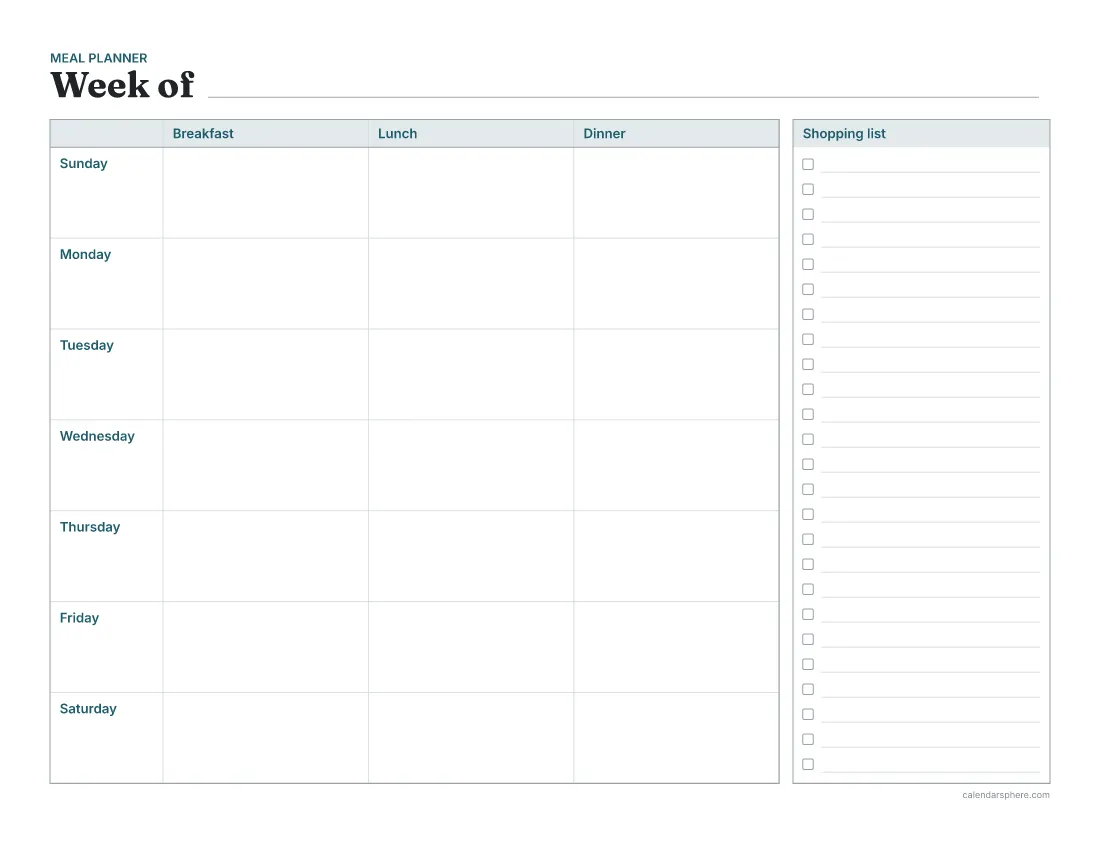
The meal planner maker puts the week and the shopping list on one page: a row for each day with breakfast, lunch and dinner (add a snacks column if you want one), and a shopping list with tick boxes beside it on landscape pages or underneath on portrait ones. Print blank weeks to reuse, or dated weeks, up to eight at a time, each with its dates and week number. Stick it on the fridge, take a photo of the list, and shop once.
Frequently asked questions
How long does it take to meal plan for a week?
About 20 to 30 minutes once you have a routine, including the shopping list. The first few weeks take longer while you build up a list of meals your household likes.
Should I plan every meal of the week?
Most people only need to plan dinners in detail. Breakfasts and lunches can rotate between two or three easy options, and one or two nights can be leftovers or something simple from the freezer.
How do I meal plan on a budget?
Start from what’s already in your fridge and cupboards, build meals around ingredients that appear more than once in the week, and shop only from the list.
What day is best for meal planning?
The day before you shop. Many people plan on Saturday or Sunday and shop the same day or the next, so the plan starts with fresh food.
How do I stop wasting food when meal planning?
Plan meals that use perishable ingredients early in the week, cook once and eat twice, and keep a leftovers night so half-used ingredients get eaten.
What is on the CalendarSphere meal planner?
A row for each day with boxes for breakfast, lunch and dinner, an optional snacks column, and a shopping list with tick boxes: 25 lines on a landscape Letter page.